


CLIENT
Maryland Department of Transportation Authority (MDTA)
LOCATION
Baltimore, MD
CONSTRUCTION TEAM
Whiting Turner
YEAR
2023-2026
THE CHALLENGE
Geotechnical engineering grapples with the highly unpredictable and nonlinear behavior of soil and rock. Key challenges include managing soil instability, variable groundwater conditions, complex modeling uncertainties, adapting to climate-induced hazards, and a dwindling supply of skilled professionals
Soil Instability and Foundation Failure
Groundwater & Permeability
Urbanization and Deep Excavations
Climate Change and Natural Hazards
SERVICES / SOLUTIONS
Geotechnical engineering faces significant challenges in managing weak, expansive, or liquefiable soils, which threaten foundation stability and can cause severe structural failure during earthquakes. To mitigate these risks, engineers deploy deep piles to reach solid bedrock, inject stabilizing grout to densify soft clays, and install stone columns to prevent seismic liquefaction.
Apply deep soil mixing, chemical grouting, or install driven piles to bypass weak layers and transfer loads to competent
Use continuous dewatering wells, subsurface grout curtains, or slurry walls to control water levels and prevent erosion.
Install robust diaphragm walls and tieback anchors paired with real-time instrumentation to protect adjacent urban struc
Construct reinforced retaining walls, implement bioengineered slope vegetation, and design deeper foundations resilient
Conduct high-density cone penetration testing and utilize advanced 3D numerical modeling to minimize subsurface data gap
Standardize AI-driven data analysis tools and establish structured mentorship programs to rapidly upskill junior enginee
0.02%
Total Budget
10x-20x
ROI
$20,000 to $100,000+
Remediation Cost
1.2 to 1.4 g/cm³
Soil Density
RESULTS
Implementing soil stabilization methods like deep soil mixing or pile foundations dramatically increases bearing capacity, preventing structural sinking and eliminating the risk of earthquake-driven liquefaction. Managing groundwater with dewatering wells and slurry walls creates dry, stable excavation zones that successfully prevent soil piping and ensure the long-term integrity of underground foundations. For deep excavations, utilizing robust diaphragm walls with real-time monitoring restricts ground movement, which protects nearby urban buildings from cracking and avoids costly legal liabilities. Furthermore, constructing reinforced retaining walls and bioengineered slopes allows infrastructure to withstand intense rainfall and extreme climate events without failing. Addressing modeling uncertainties through high-density testing and 3D modeling enhances data accuracy, which significantly reduces unexpected construction delays and lowers financial risk.
Increased bearing capacity prevents structural sinking and eliminates the risk of earthquake-driven liquefaction.
Dry, stable excavation zones prevent soil piping and ensure the long-term integrity of underground foundations.
Minimal ground movement protects nearby buildings from cracking and avoids costly legal liabilities.
Slopes and structures withstand intense rainfall and extreme weather events without failing.
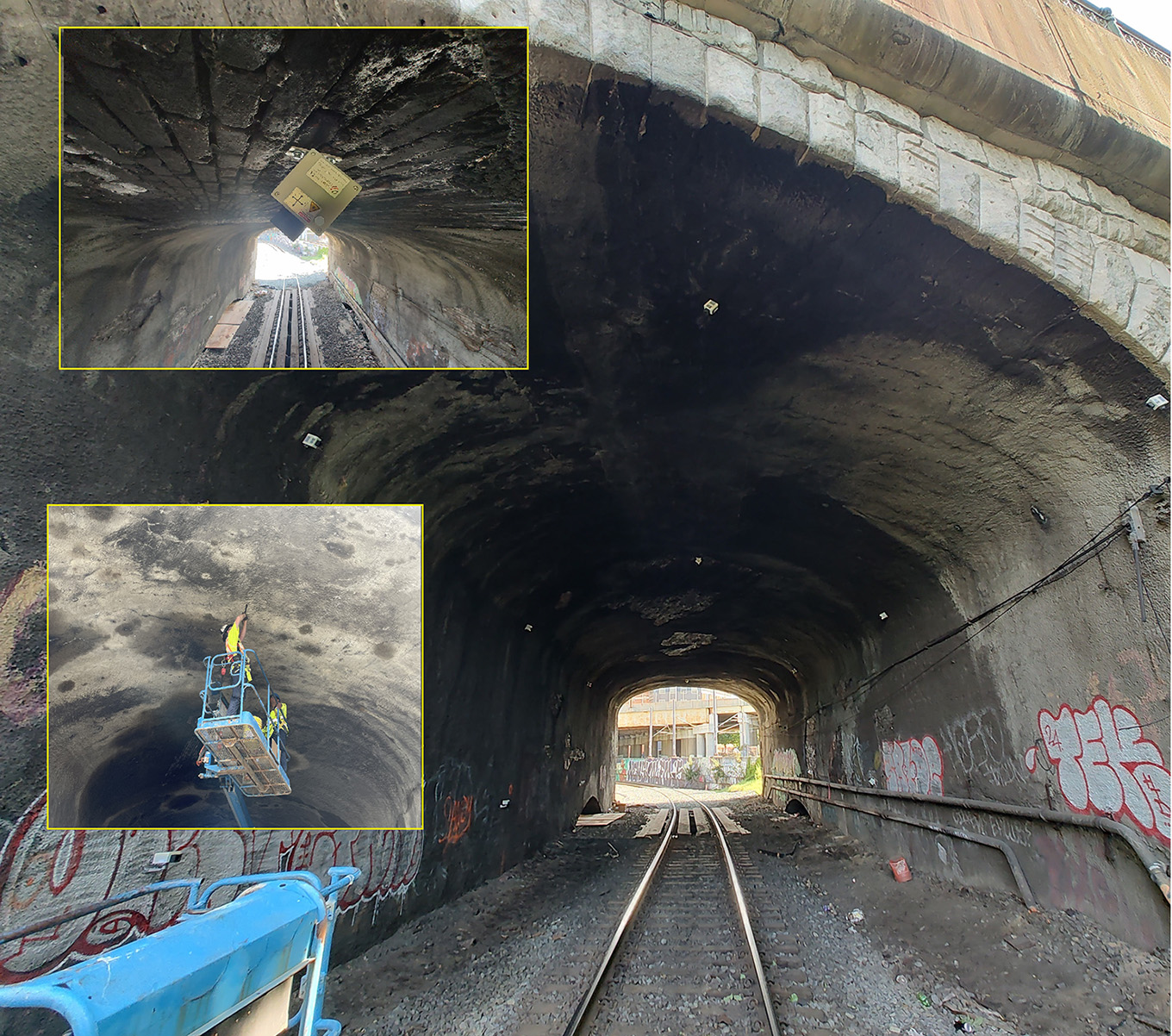
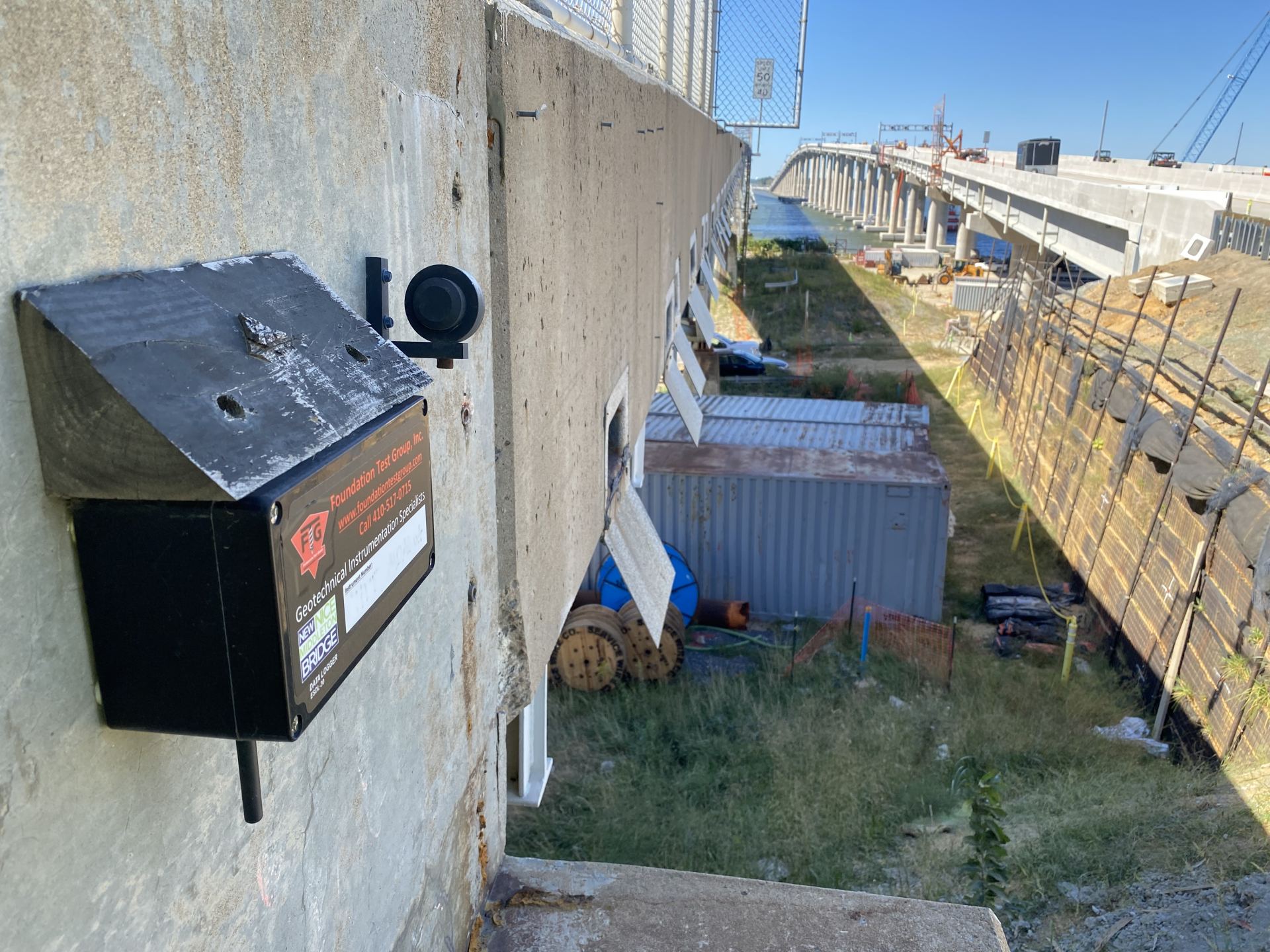
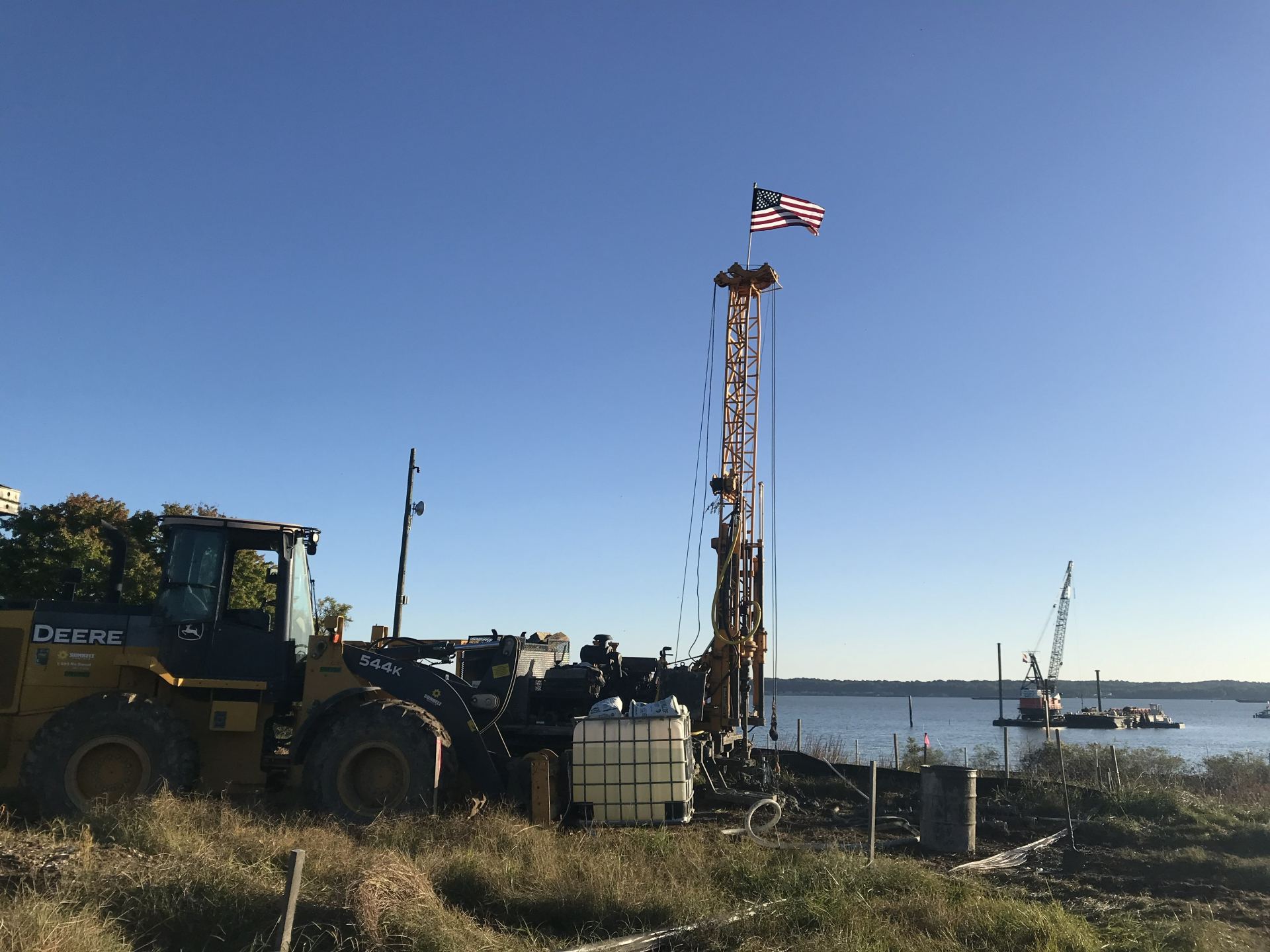
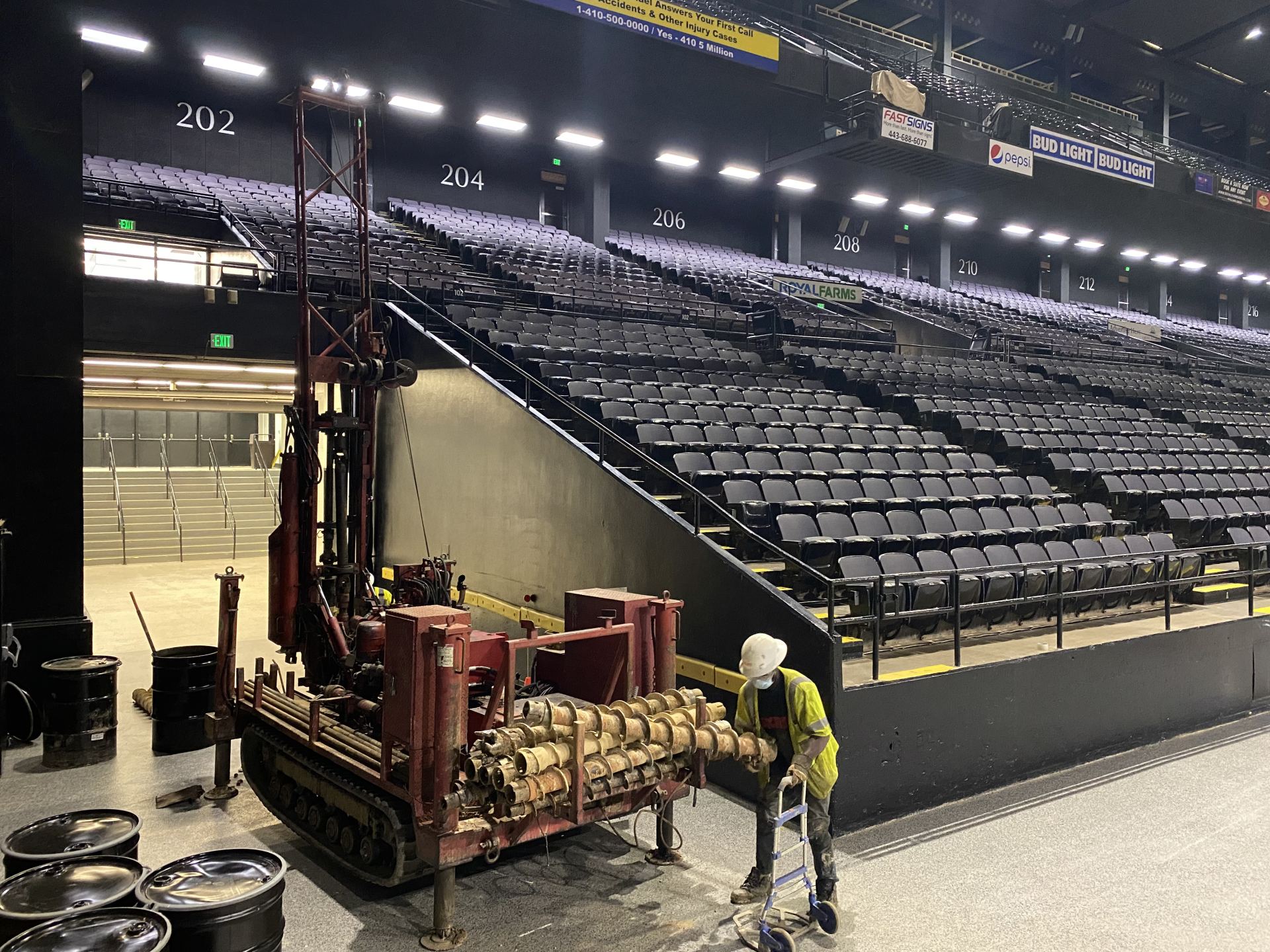
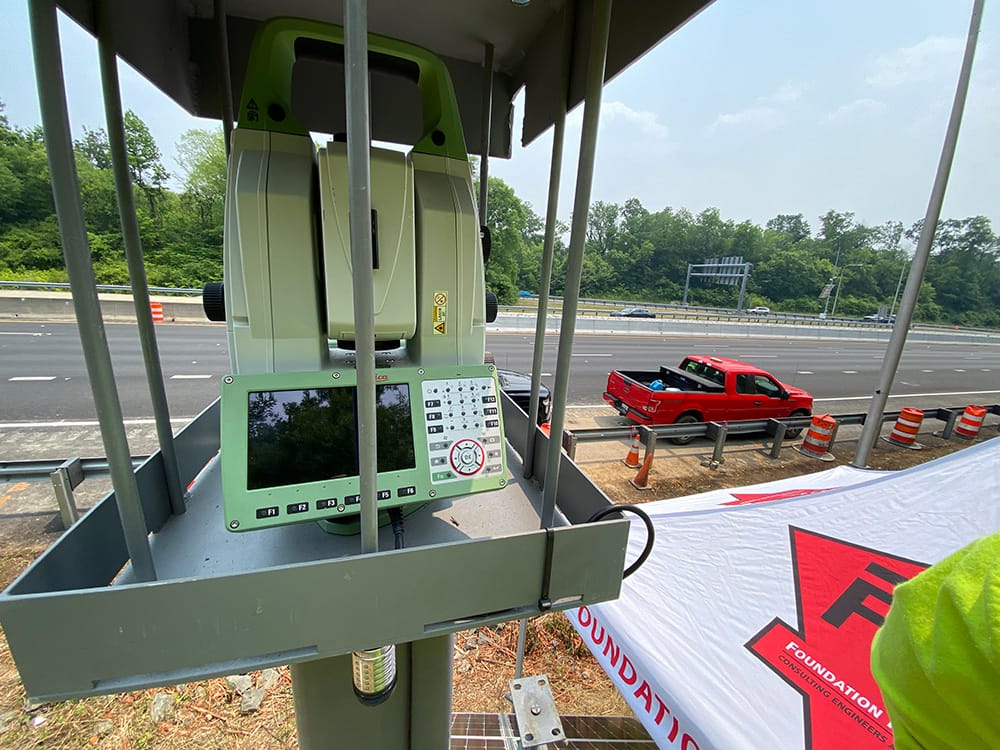
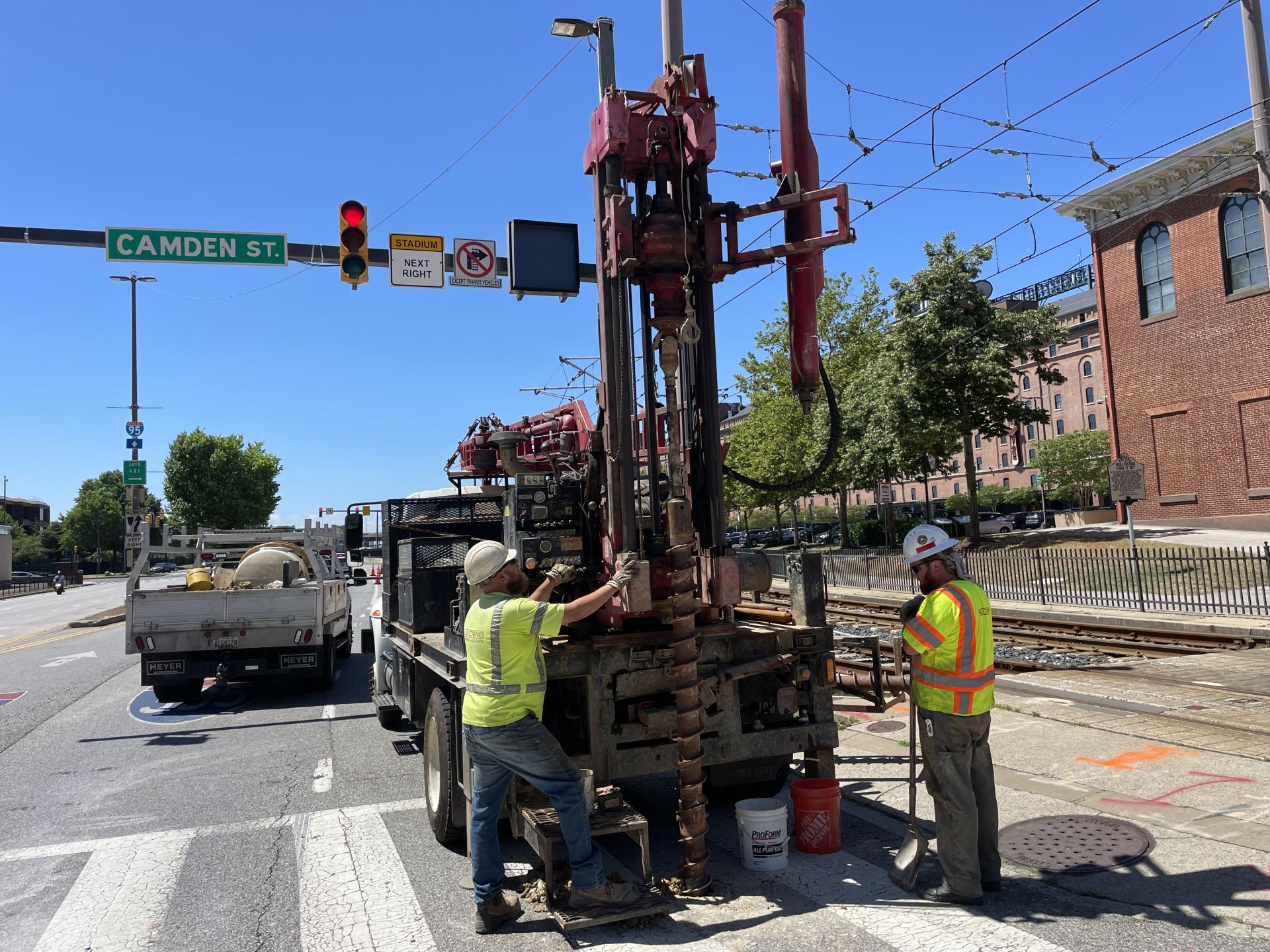
project photography
Project Photos from the Field
"Partnering with Foundation Test Group's geotechnical engineering team completely transformed our approach to the Riverwalk High-Rise development. We initially faced severe soil instability from loose sand layers and a highly erratic, fluctuating groundwater table that threatened our deep excavation timeline."
