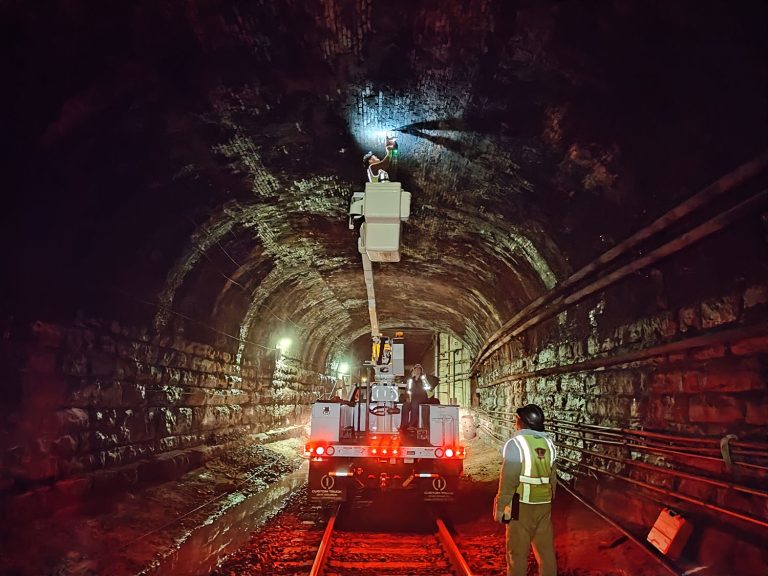
What Happens Before a Foundation Is Designed? A Simple Look at Geotechnical Investigations
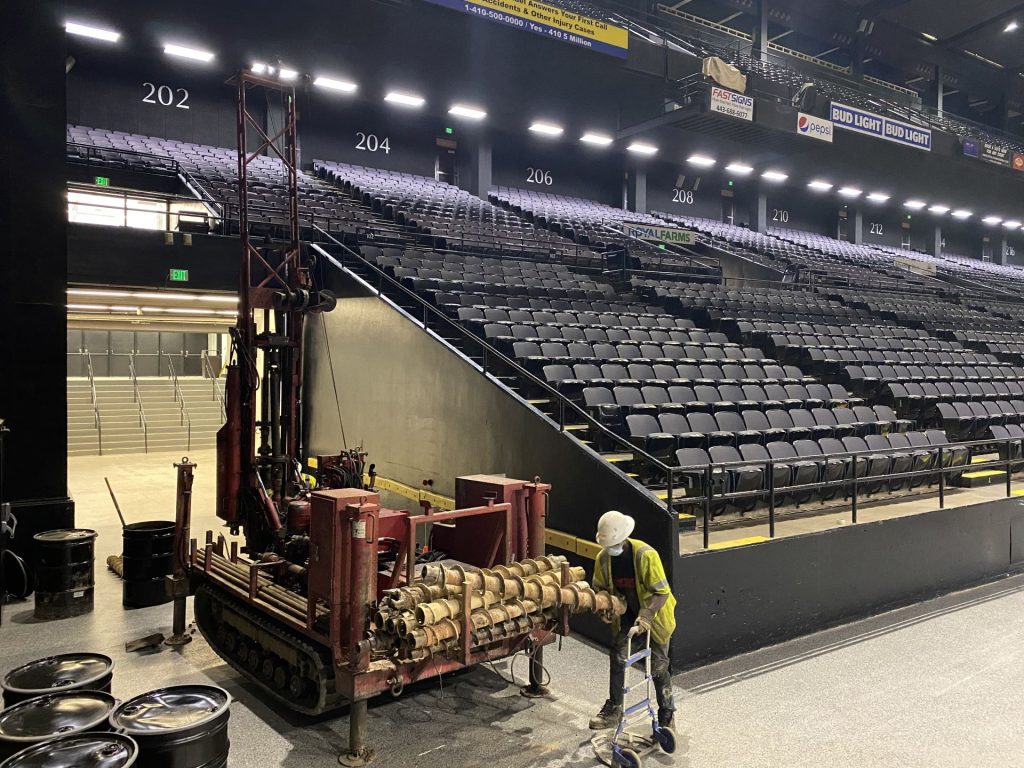
Before any foundation is designed, engineers must understand exactly what is happening underground. A geotechnical investigation studies soil, rock, and groundwater conditions so that foundations can be designed safely and efficiently.
This critical step helps reduce risks like settlement, instability, or construction delays. At Foundation Test Group (FTG), we treat this work as a comprehensive engineering analysis, not just data collection. Our goal is to ensure the final design fits both the structure and the site while meeting the client’s specific needs.
What Is a Geotechnical Investigation?
A geotechnical investigation evaluates:
- Soil layers and how they vary across a site
- Strength and behavior of soil and rock
- Groundwater levels and changes
- Potential hazards such as soft soils, fill, or voids
Ultimately, the goal is to understand how the ground will support a structure today and how it might behave over time.
How Engineers Study the Ground
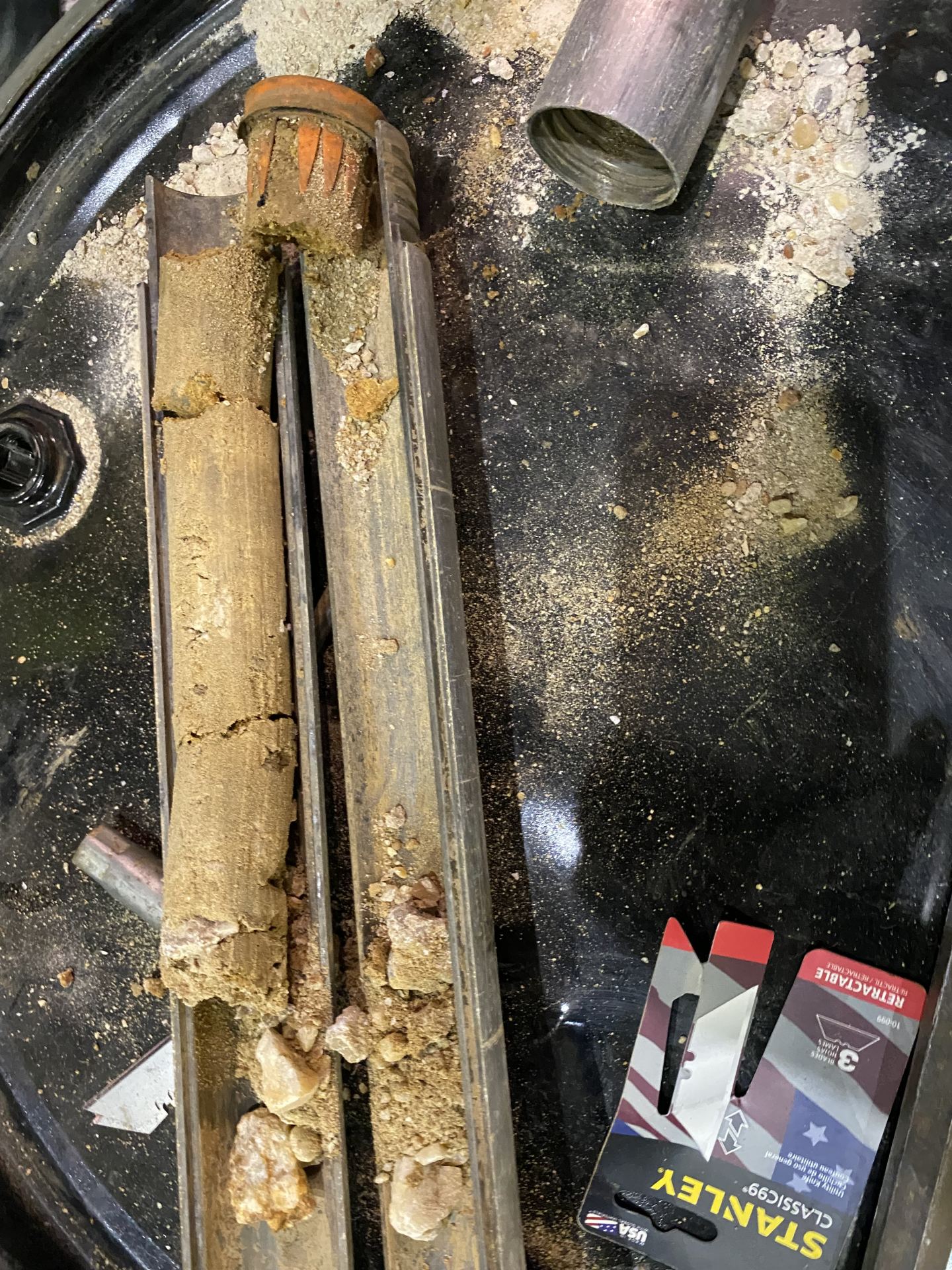
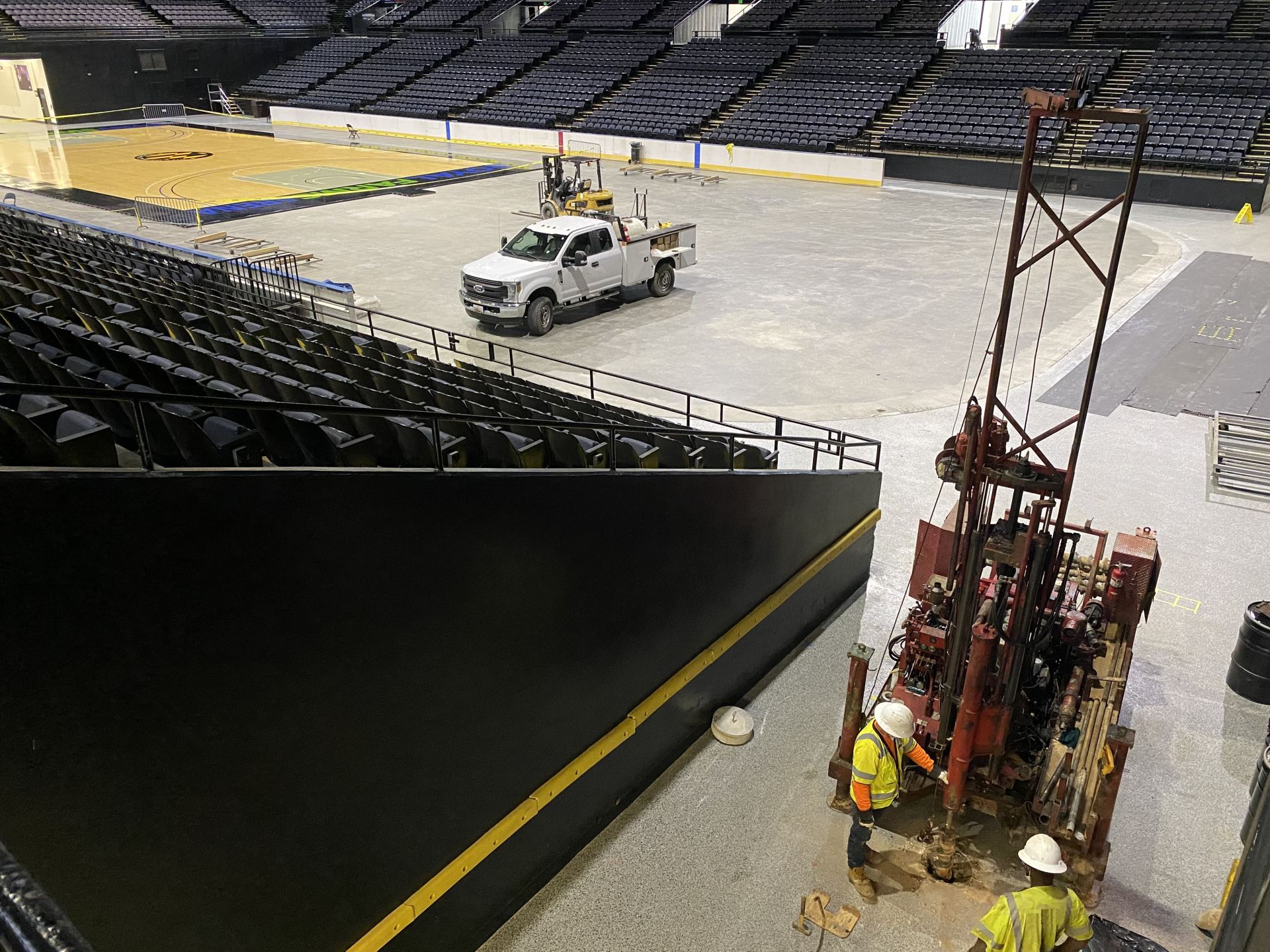
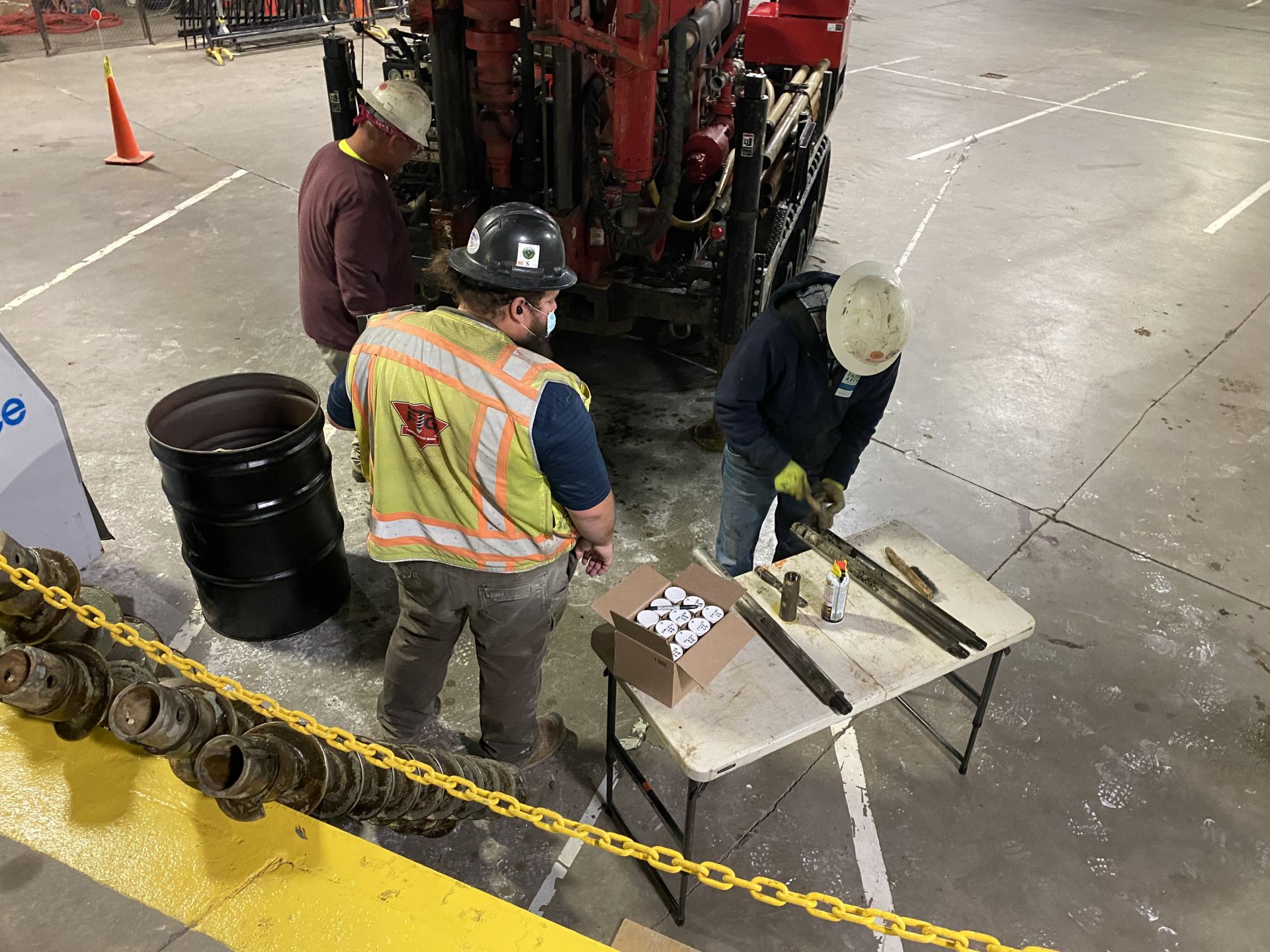
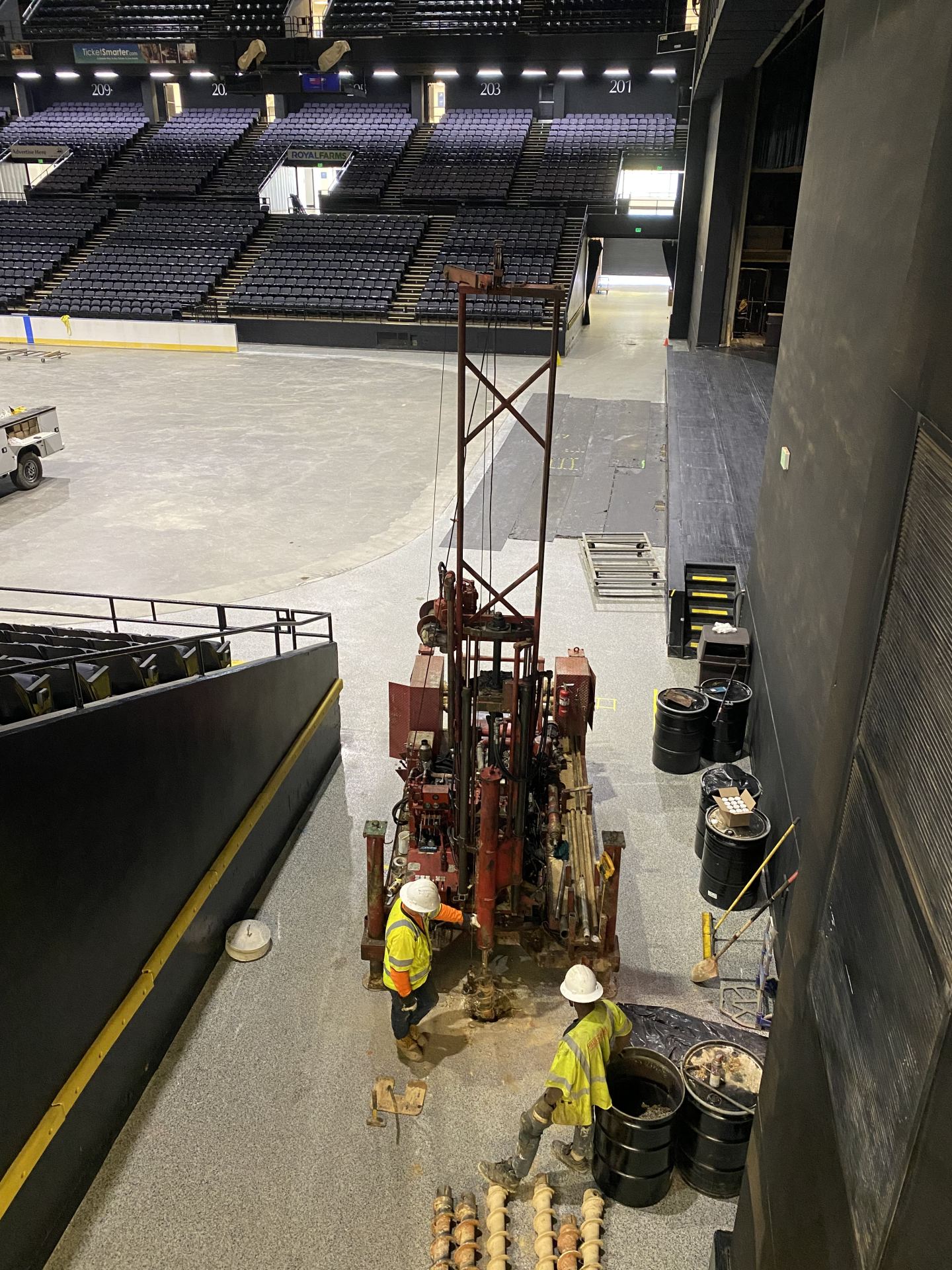
- Drilling and Sampling
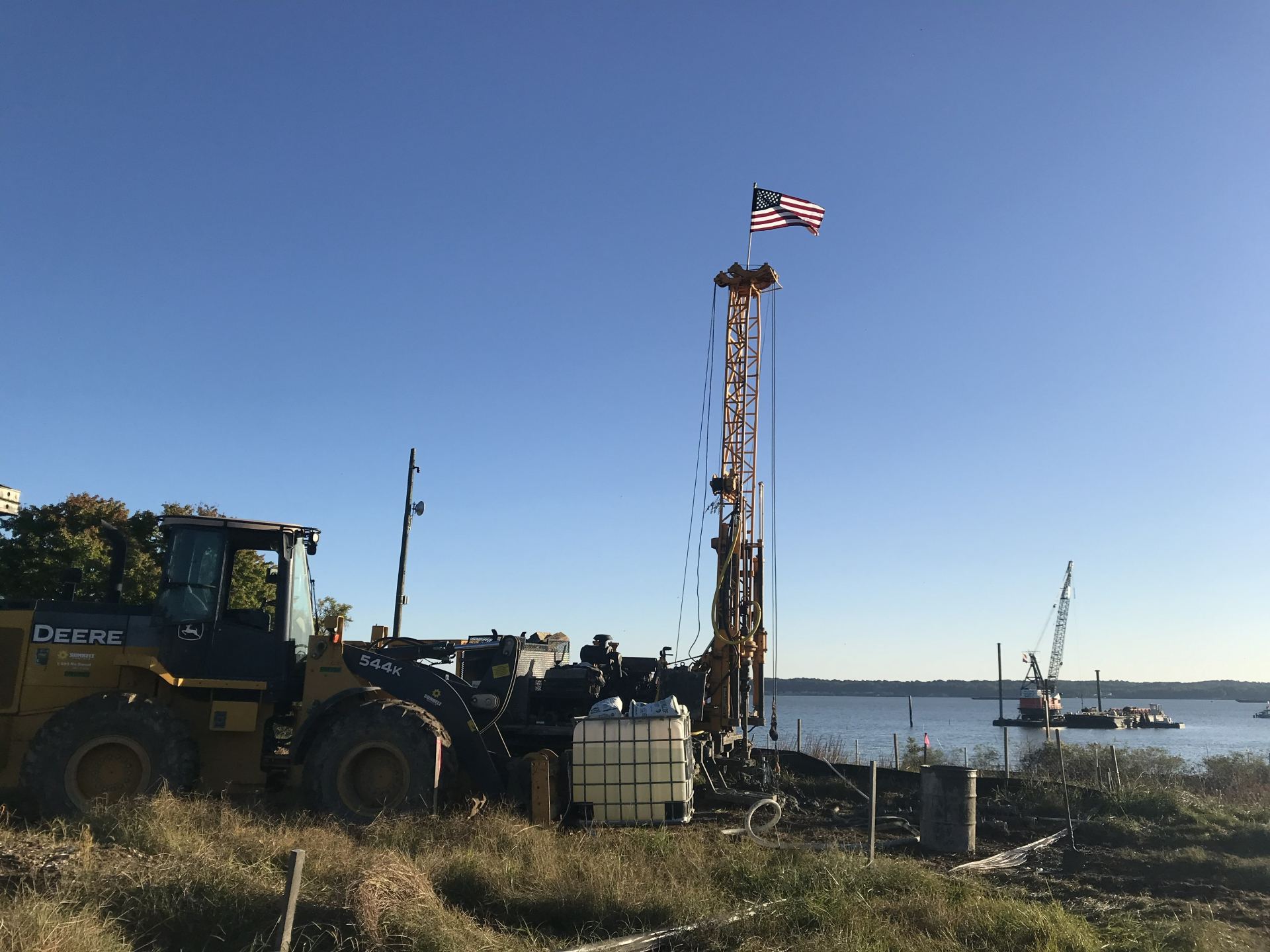
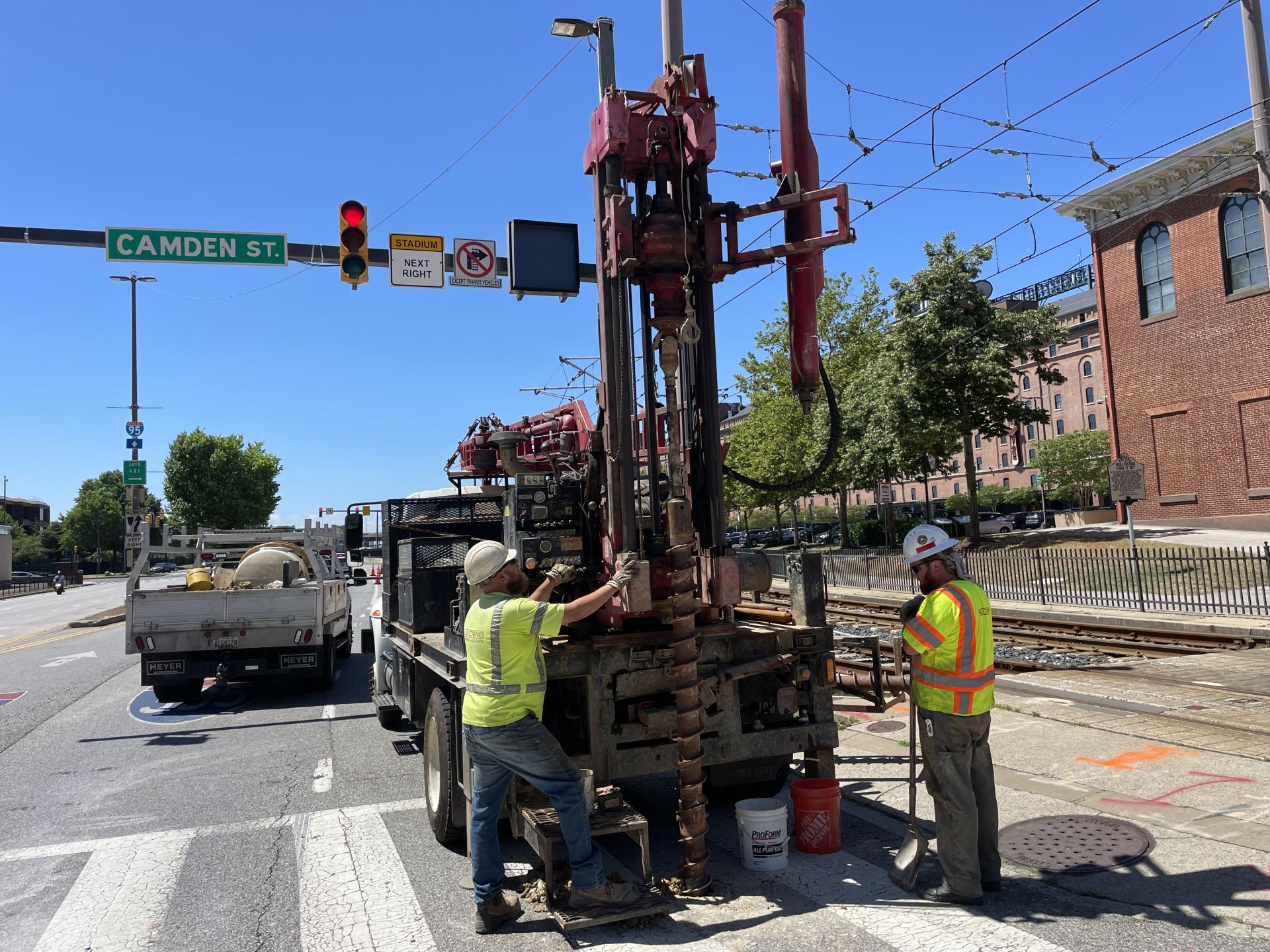
Engineers drill into the ground to collect soil and rock samples. These samples allow us to identify soil types and strengths, showing how conditions change with depth. - Field Testing
Some tests are performed directly in the ground to measure strength and stiffness or to create a continuous profile of soil conditions. - Geophysical Surveys
These methods provide a broader picture between drilling locations. They can help detect changes underground, locate weak zones, or identify groundwater conditions.
Laboratory Testing
Samples brought back from the field are analyzed in our lab to better understand their properties, such as:
- Moisture content and composition
- Strength under load
- Compressibility (predicting how much the soil will settle)
- Permeability (how water moves through the soil)
Turning Data Into Design
Our engineers combine field and lab data to determine:
- How much weight the soil can safely support
- How much the structure may settle
- How soil will push against walls or slopes
- How groundwater may affect construction
Choosing the Right Foundation
Based on the findings, engineers recommend the most suitable foundation type:
- Shallow foundations (spread footings or mats) when near-surface soils are strong enough
- Deep foundations (piles or drilled shafts) when stronger support is needed at greater depths
Ground improvement methods may also be used if existing soil conditions need to be enhanced.
Why It Matters
A thorough geotechnical investigation helps:
- Reduce uncertainty and risk
- Prevent costly surprises during construction
- Improves long-term performance of the structure
- Optimizes design for cost and efficiency
The FTG Approach
At FTG, a certified Women-Owned (WBE) firm, geotechnical investigations are tailored to each site. By combining detailed data with practical experience, our team delivers recommendations that are reliable, buildable, and cost-effective.
We don’t just provide data—we provide the confidence to build.
Subscribe to FTG News
Stay updated with the latest insights and innovations from Foundation Test Group.
You can unsubscribe at any time.